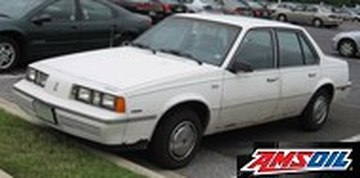
Maintaining Lubrication Integrity for the 1982 Oldsmobile FIRENZA 1.8L
Proper engine care for a vehicle like the 1982 Oldsmobile FIRENZA 1.8L involves more than just occasional fluid checks; it requires a disciplined approach to monitoring the health of all lubrication systems. As engines age, the materials used in seals, gaskets, and various mechanical interfaces undergo changes that necessitate closer observation during routine service intervals.
Monitoring Fluid Condition and Potential Seepage
One of the most effective ways to monitor the health of a 1.8L engine is through regular visual inspections of the engine bay and undercarriage. Rather than waiting for a significant leak to occur, owners should look for signs of seepage around various sealing surfaces. This includes checking for any oily residue or dampness on the exterior of the engine block or near where components meet.
When performing these checks, it is helpful to look for:
- Evidence of fluid weeping from gaskets and seals.
- Accumulations of dust or dirt that appear "wet," which often indicates a slow, long-term seepage.
- Any discoloration on the underside of the vehicle that might suggest a leak from above.
If any signs of leakage are discovered, they should be investigated promptly. While small amounts of seepage may not immediately impact engine operation, they can lead to lower fluid levels over time or cause oil to contact other hot components, which may produce odors. Identifying these issues early allows for more controlled maintenance decisions.
Observing Changes in Engine Performance and Indicators
Beyond visual inspections, the way a vehicle behaves during operation provides critical feedback regarding its lubrication status. Owners of the 1982 Oldsmobile FIRENZA should remain attentive to any changes in how the engine sounds or performs compared to its normal state.
Unusual mechanical noises can sometimes be associated with changes in lubricant quality or quantity. Similarly, if a warning light or indicator appears on the dashboard related to oil levels or pressure, it warrants immediate investigation. It is important to remember that these symptoms can have multiple causes; for instance, an unusual noise might stem from various mechanical sources, and a warning light could be triggered by several different factors ranging from sensor issues to actual fluid loss.
Additionally, monitoring the exhaust for any unexpected smoke or changes in color can be a useful diagnostic tool. While certain colors of smoke may indicate different internal processes, any deviation from the vehicle's normal operating state should be treated as a signal to perform a thorough inspection of all fluids and mechanical connections.
Prioritizing Maintenance Based on Current Condition
For an older vehicle, maintenance priorities often shift from purely following a calendar-based schedule to a condition-based approach. This means that instead of replacing parts based solely on the age of the car, an owner should prioritize tasks based on what the engine actually requires at that moment.
If you are managing the long-term care of this 1.8L engine, consider these steps to establish a reliable maintenance baseline:
- Review Service History: If available, look through past repair orders and receipts to understand what has been addressed previously. This helps in identifying patterns or recurring needs.
- Address Active Issues First: If an active leak or a noticeable change in fluid color is detected, this should take precedence over other non-essential maintenance tasks.
- Monitor Consumption: Keep a mental or written note of how much oil the engine seems to use between service intervals. A sudden increase in consumption is a significant indicator that something warrants inspection.
- Inspect Aging Materials: Periodically check the condition of hoses and any accessible belts, if equipped. Even if they appear functional, looking for signs of cracking or glazing can prevent unexpected failures.
By focusing on the actual state of the vehicle rather than making assumptions based on its age, you can make more informed decisions about where to allocate time and resources.
The Role of Clean Lubricants in Engine Longevity
Engine oil performs several vital roles that are essential for the continued operation of the 1.8L engine. Beyond simply reducing friction between moving parts, the lubricant helps manage heat within the engine environment and assists in cleaning the internal components by carrying away microscopic debris.
Over time, even high-quality lubricants can become contaminated or lose their ability to effectively manage these tasks. Contaminants can include combustion byproducts or moisture that enters the system. When oil becomes heavily contaminated, it may lead to the formation of deposits or sludge, which can interfere with the smooth operation of various engine components. Regular changes and the use of appropriate lubricants are the primary defenses against this type of degradation.
Practical Steps for Long-Term Ownership
Successful long-term ownership of a 1982 Oldsmobile FIRENZA relies heavily on consistent record-keeping. Maintaining a detailed log of every oil change, filter replacement, and mechanical repair provides an invaluable roadmap for future service. This documentation is particularly useful if you ever need to diagnose a new issue, as it allows you to see if the problem is related to a recent service or a long-standing condition.
Furthermore, having these records helps in distinguishing between necessary repairs and unnecessary parts replacement. If you know exactly when a component was last serviced, you can make more objective decisions about whether it truly needs attention or if it is simply showing expected signs of age that do not yet require intervention.
Buying Engine Oil for the 1982 Oldsmobile FIRENZA 1.8L
When you are ready to replenish your engine's lubrication, it is essential to select a product that aligns with the specific requirements of your application. To ensure the best results, match the engine oil to the vehicle-specific viscosity and application information already displayed on this webpage.
Before making a purchase, always check the product labeling to verify that the oil meets current quality standards and certifications. Depending on your specific needs and the current condition of your engine, you may encounter various formulations, including conventional, synthetic blends, or full synthetic oils. Some high-mileage oil formulations also contain additives intended for use in aging engines, which may be a consideration if you notice increased seepage or changes in consumption. Always prioritize the application-specific details provided here over general assumptions to ensure your 1982 Oldsmobile FIRENZA 1.8L receives the correct lubrication.